


A “call to action” to save our planet.
Born in 1958 in London, Tim Flach is one of the world’s most important animal photographers, known for is captivating and thought-provoking images of some of the world’s most extraordinary animals and threatened species on Earth. Since the beginning of his career, Flach has contributed to academic research witnessing how photographs of animals impact on the audience.
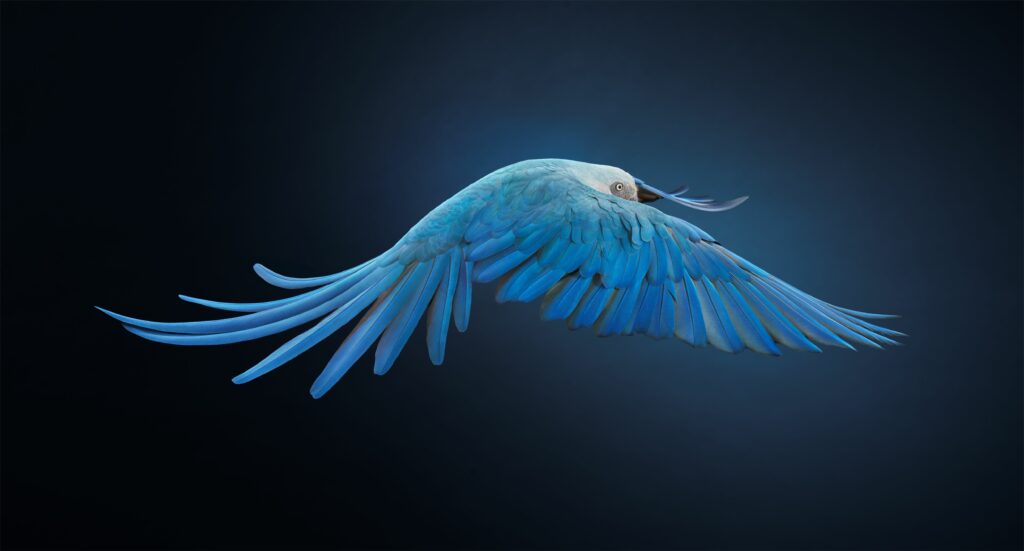
Documenting biodiversity and conveying a heightened sense of empathy towards our planet’s endangered creatures, capturing both the power and vulnerability of animals and highlighting their undeniable connection with humans, he’s able to transport audiences to a new visual perspective on wildlife and conservation. Far from being a conventional nature photographer, his portraits of animals in his studio, from dogs and horses to monkeys and lions, are famous for the vivid light that highlights their expressive, almost human qualities and the typical black background.
Since he was a child, he has always felt a sense of wonderment towards the natural world, cultivating his passion through walks and spending time outside drawing and painting landscapes. During one of these days spent outside drawing the surroundings, while sitting in a corn field, he had become so focused on the environment around that, as a bee passed in front of him, he could feel its energy streaking through the sky as his own pencil scratched across his paper. That feeling of heightened awareness – of our own communion with nature – has become an emotion that he always tries to rediscover and communicate through his work as a photographer.
As in his own words: “In the simplest sense, I enjoy the controlled chaos of shooting animals. I am also interested in the perceptual divide between sentient beings. There is a sense of awe and wonderment and there is always an uncertainty about what will reveal itself on set. I like to encourage thoughts about how we see each other”.
By the way, this strong connection to the natural world is not strange; it’s simply the incredible complexity of our planet, with its perfect balance, that allows, supports and nourishes life. If we are unable to understand how the Earth is capable of maintaining this environment, we may not be aware of how we could irreversibly damage it.
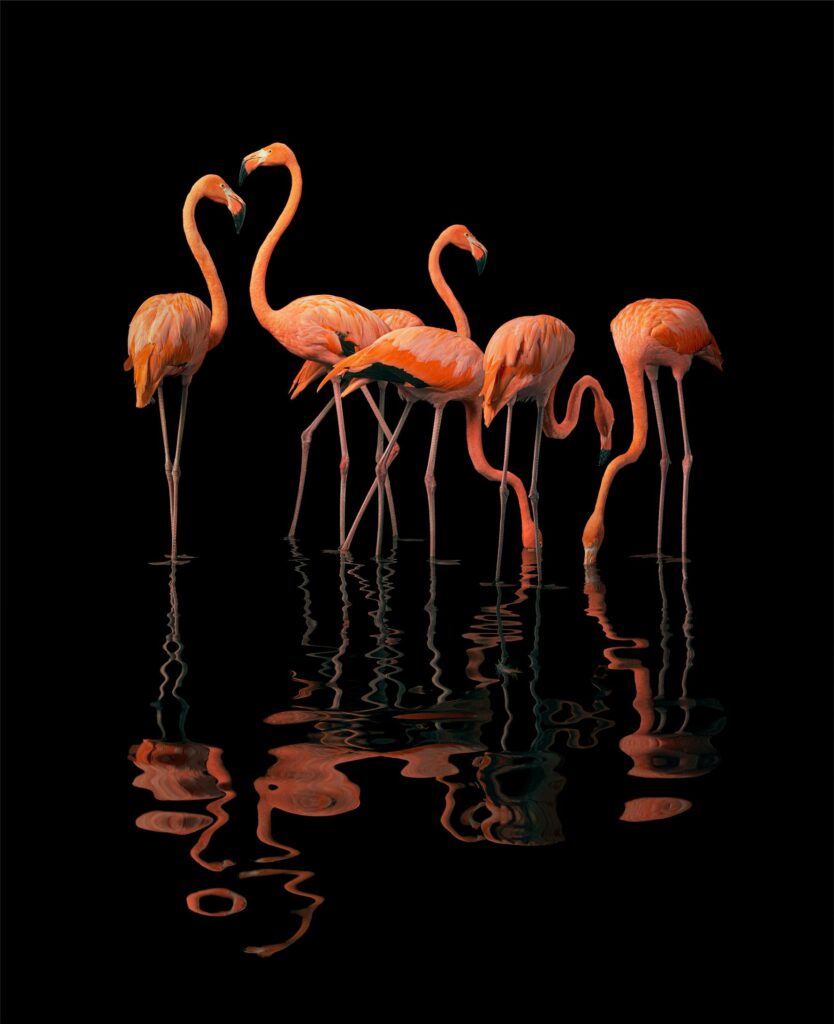
As he has been working on Endangered, his fifth book, a profoundly powerful monograph on animal species at risk of extinction where he portrayed animals in a variety of different environments, he has become much more mindful about the environment issue, as he says: “For the first time, it is not nature that is endangering species and scarring the planet, it is us. In the past, nature was considered strong and man was considered vulnerable to it. Now it is nature that is become vulnerable”.
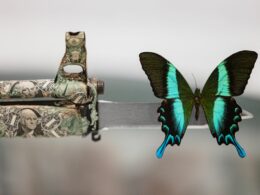
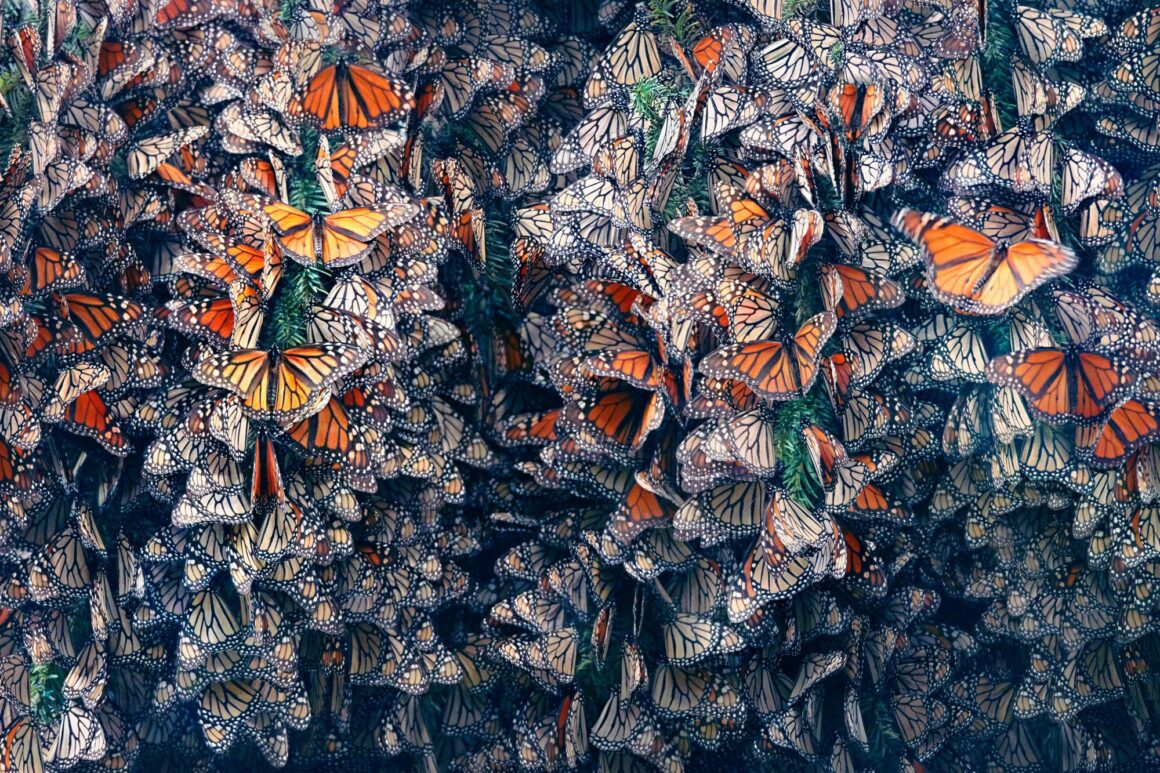
The continuing exponential growth of Humanity’s population, of consumption and emissions, takes to the resultant exponential decline of natural resources and animal populations. To make this book Tim has traveled the world for over two and a half years – leaving the photography studio for the first time to photograph animals in their own habitat – taking photos, capturing white rhinos in Kenya, monarch butterflies in Mexico and eagles in the Philippines, depicting primates facing habitat loss, elephants hunted for ivory and numerous bird species captured as pets.
This experience in nature made it clear to him that we cannot simply rip animals from their native environment and place them on “an ark” to protect their future, without considering the importance of the habitat from which they were taken. From his personal and work experiences and several studies regarding animal images and how powerful their impact is on our hearts, minds and souls, the concept comes to light that in traditional wildlife photography, animals are seen in their environment – wild and free – and therefore the sense of separation from human beings is strengthened.
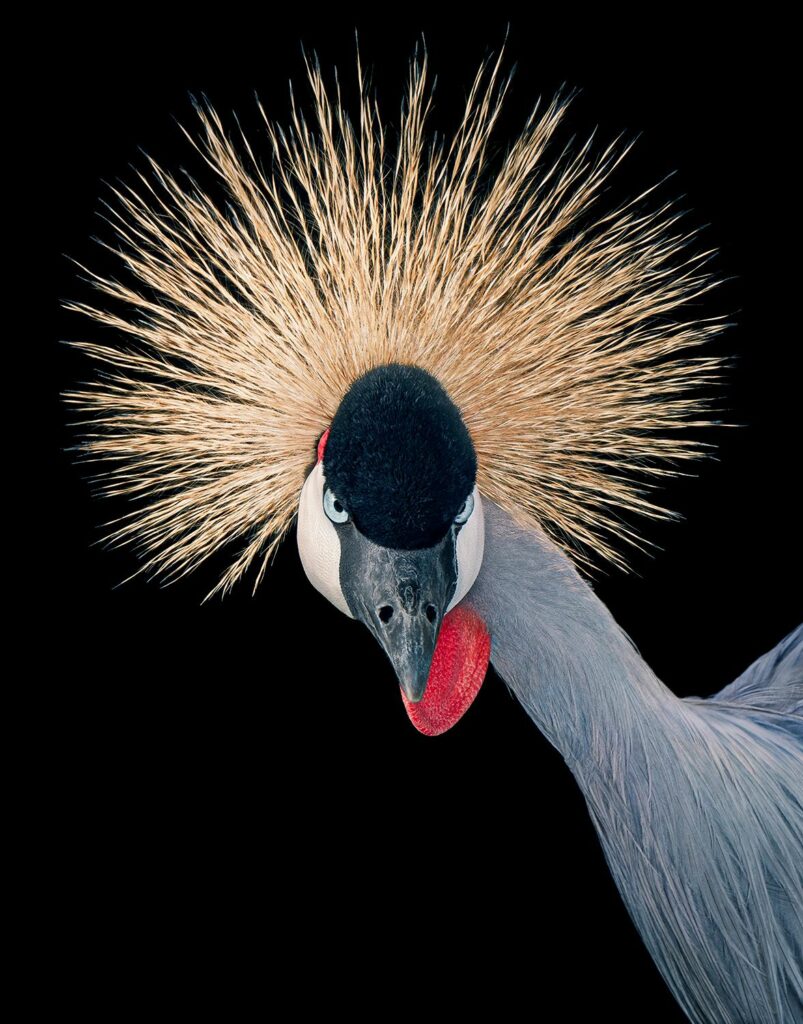
But following an interesting 2011 study by Kalof, Zammit-Lucia and Kelly on animal portraiture placed in a museum context, it was discovered that “placing animal representations in a visual context usually associated with human representation had the effect of reinforcing the feelings of kinship and bond between human and animal species”.
Dr. George Schaller, one of the world’s most respected biologists, has said: “You can do the best science in the world but unless emotion is involved it’s not really very relevant. Conservation is based on emotion. It comes from the heart and one should never forget that.”
“This is particularly true when communicating visually. We must be emotionally touched to spur us into action”, ends Flach.